
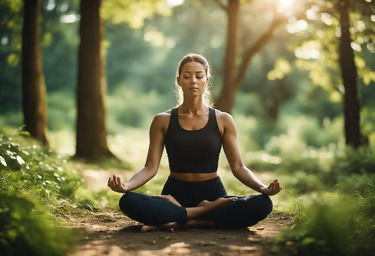
What Is Pranayama?
Pranayama is a core element of yoga that focuses on conscious breath regulation. The word comes from Sanskrit:
Prana
life force or vital energy
Ayama
expansion or regulation
Together, pranayama refers to the intentional guidance of breath to influence both body and mind. From a functional perspective, pranayama is not about forcing the breath — it is about creating safety and balance within the nervous system.
Why Breath Matters in a Functional Lifestyle
Modern life places constant demands on the body:
These factors can keep the nervous system in a prolonged “fight-or-flight” state. Pranayama helps shift the body toward a parasympathetic (rest-and-digest) response, which supports:
Pranayama Is Accessible to Everyone
One of the most powerful aspects of pranayama is its simplicity. You do not need:
All you need is awareness and a willingness to slow down. For beginners, even a few minutes of conscious breathing can create noticeable shifts in how the body feels and responds.
Common Types of Pranayama (Used Mindfully)
There are many breathing techniques, each serving a different purpose. In my work, pranayama is always selected gently and intentionally, based on the individual.
Nadi Shodhana (Alternate Nostril Breathing)
Supports balance and calm, often used for stress regulation
Shitali (Cooling Breath)
Helps soothe the nervous system and reduce internal heat
Gentle Breath Retention (Kumbhaka)
Used cautiously to improve awareness and lung capacity
Integrating Pranayama into Daily Life
Pranayama does not need to be a long or complicated practice. It can be integrated:
- in the morning to create grounded energy
- during the day to reset stress levels
- in the evening to support relaxation and sleep
When combined with gentle movement (asana) and moments of stillness, breathwork becomes a powerful tool for self-regulation and awareness.
Breath, Focus & Mental Clarity
Conscious breathing naturally enhances attention and presence.
By slowing the breath, the mind receives a signal of safety, which can improve:
This is why breath awareness is often used as a foundation in both yoga and mindfulness practices.
A Gentle Reminder on Safety
Pranayama is a supportive, educational practice — not a medical treatment. Breathwork should always be:Breath as a Lifelong Practice
Pranayama is not about perfection or performance. It is about learning how to:
- listen to the body
- respond rather than react
- create balance through awareness
When practiced consistently and gently, conscious breathing can become one of the most grounding tools in a holistic lifestyle.
Breathwork and yoga practices are shared for educational and supportive purposes and do not replace medical care.